
Rat Population in the UK: Species, Winter Behaviour and Effective Rodent Control
Rats remain a significant pest challenge across the United Kingdom, affecting urban areas, rural communities, farms, warehouses and commercial premises. Understanding the rat population UK, the species present and seasonal behaviour can help pest management professionals plan more effective inspection, prevention and treatment programmes.
.ashx?w=950)
How many rats are in the UK? Understanding population pressure
Rat numbers fluctuate according to food availability, shelter, weather, waste management and local environmental conditions. For professionals, the more useful focus is identifying where activity is increasing and which site conditions are supporting it.
The British Pest Control Association (BPCA) estimates 272,122 rodent callouts per year in the UK, equivalent to roughly 745 rodent callouts every day.
Analysis of Freedom of Information (FOI) responses from UK councils showed the country saw 518,240 reported rat infestations from 2023 to mid-2025.
Reports of rat activity UK homes increase often reflect seasonal movement and access to food or harbourage rather than a uniform national trend. Regular inspections and documented rodent investigations can help establish the level and location of pressure at a particular site.
Common rat species in the UK
The brown rat (Rattus norvegicus), is the most widespread common rat encountered in the UK. It is sometimes described in search queries as a grey rat because its coat may appear grey-brown. Brown rats are strong burrowers and swimmers and are frequently associated with buildings, drainage systems, farms, food-handling locations and waste areas.
The black rat ( Rattus rattus). Black rats in UK settings are much less commonly encountered than brown rats. They are agile climbers and may favour elevated harbourage in suitable environments. Correct species identification matters because behaviour and nesting locations influence inspection and control planning.
Where rat activity is likely to occur?
Rat pressure is strongly linked to access to food, water and shelter. Activity may be found around waste areas, loading bays, food premises, agricultural buildings, transport sites, drainage networks and poorly protected structures. A strong rodent proofing programme helps reduce access before treatment begins.
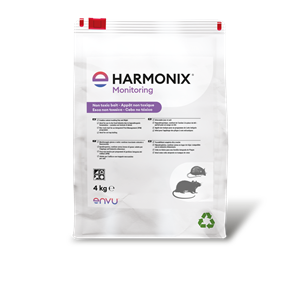
Professionals should look for burrow entrances, runs, gnawing, smears, feeding evidence and droppings. When monitoring exterior areas, see how Harmonix® Rodent Paste performs in open areas and burrows.
Rat Behaviour in Winter
Do rats hibernate?
No. Rats don't hibernate in winter, but they remain active in cold weather. They continue to seek food, water and protected harbourage, and may move closer to or inside buildings as conditions become less favourable outdoors.
Do rats burrow in winter?
Rats may continue using and extending burrow systems during winter. Burrows can offer shelter, nesting sites, and protected access to food. They may appear along foundations, beneath sheds, near vegetation, beside waste areas or around external structures. This is why winter inspections should include both internal and external harbourage.
Getting into solutions
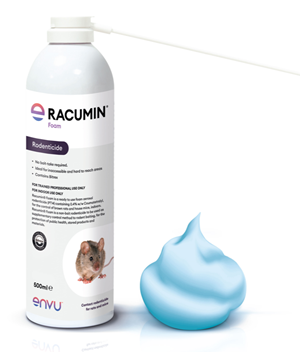
Envu supports professional rodent management through its Rodenticide range. Product selection should always reflect the target species, site conditions, label requirements, non-target considerations, stewardship responsibilities and the wider integrated pest management programme.
Read more about Envu’s approach to responsible rodent control and the role of Harmonix® Rodent Paste in a dynamic IPM programme.